

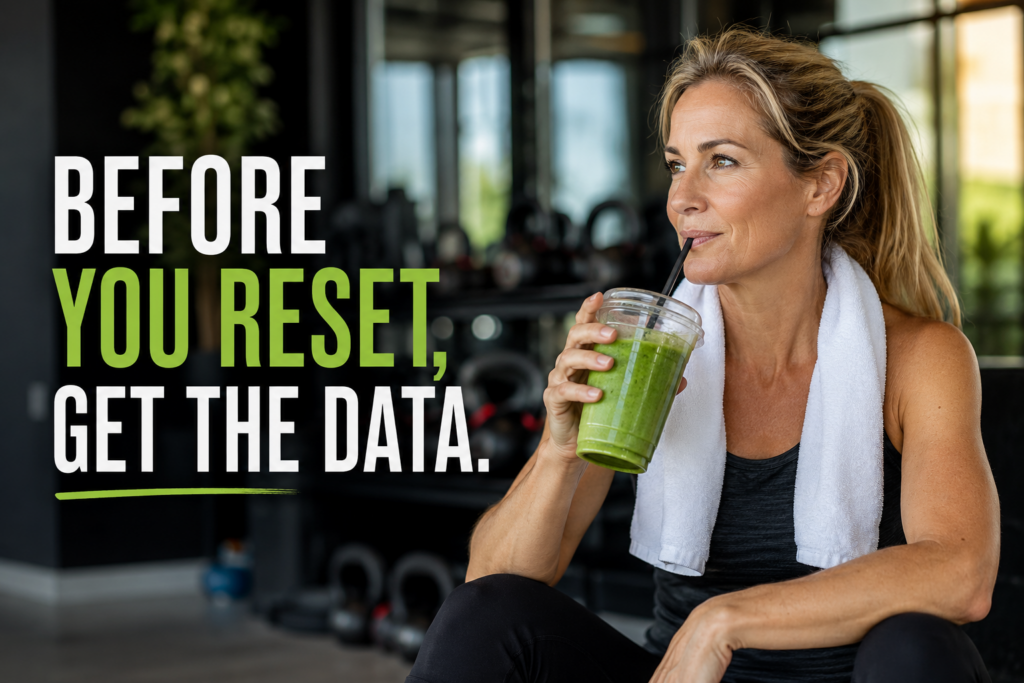
September has a way of feeling like a fresh start.
After summer holidays, travel and disrupted routines, many of us are ready to get back to healthier habits. Maybe that means improving your diet, exercising more consistently, focusing on gut health, prioritizing sleep or finally getting back into a routine.
A September health reset can be a great opportunity to refocus.
But before you change everything, consider asking one important question:
What does my body actually need?
Instead of starting with another generic wellness plan, supplement routine or restrictive diet, you can start by learning more about your own biology.
That’s where personalized health testing can provide another piece of the puzzle.
Most health resets begin with the solution.
A new diet.
A new supplement.
A new workout plan.
A probiotic.
A list of foods to eliminate.
But we’re not all starting from the same place.
Two people can eat similar diets, follow the same exercise program and take the same supplements—and still have very different experiences.
Our genetics differ. Our gut microbiomes differ. So do our lifestyles, environments, diets and health histories.
Testing isn’t a requirement for making healthy changes. The fundamentals—eating a nutrient-dense diet, moving regularly, sleeping well and managing stress—still matter.
But personalized testing can provide additional information to help you make more informed decisions about where to focus your efforts.
Your DNA provides information about the genetic blueprint you’ve carried throughout your life.
Genetic variations can influence different aspects of health and wellness, including how your body processes certain nutrients, metabolizes caffeine and responds to different types of exercise.
DNA testing isn’t about predicting your future or giving you a perfect diet.
Instead, it can provide insights into your individual genetic tendencies.
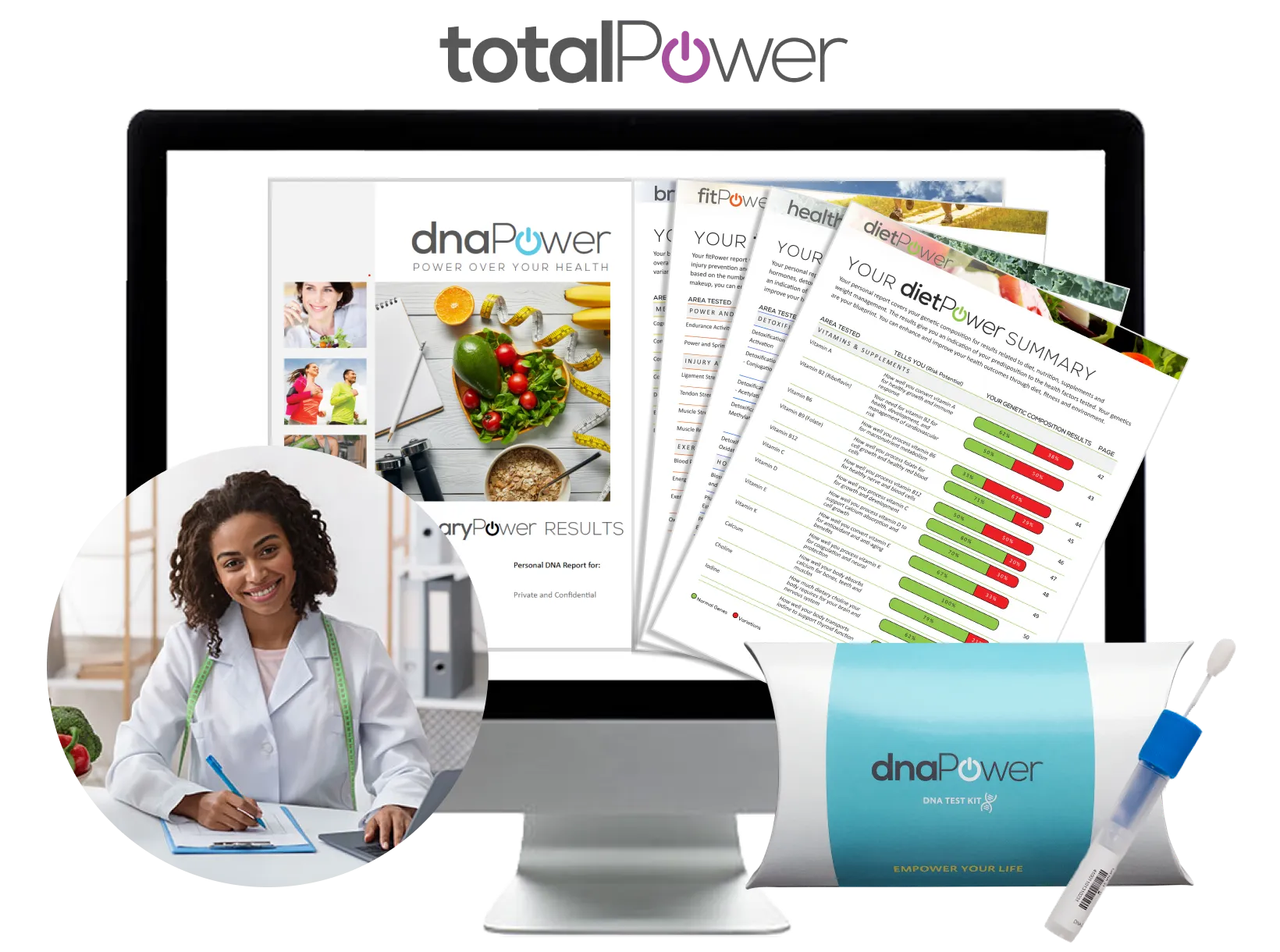
With totalPower, you can explore genetic insights related to areas such as:
This information can provide useful context when you’re deciding where to focus your nutrition and lifestyle efforts.
Instead of asking:
“What should everyone be doing?”
You can start asking:
“What might be particularly relevant for me?”
While your DNA remains relatively stable throughout your life, your gut microbiome is much more dynamic.
Your gut microbiome is the community of microorganisms living within your digestive tract. It can be influenced by factors including diet, lifestyle, medications, environment and age.
And the microbiome is involved in far more than digestion.
Gut microorganisms can contribute to the breakdown of certain foods, production of metabolites such as short-chain fatty acids, nutrient metabolism and interactions with the immune system.
Understanding your gut microbiome can therefore add another layer of information when you’re considering changes to your diet and lifestyle.
MapmyBiome uses advanced shotgun metagenomic sequencing to provide detailed insights into your gut microbiome, including microbial diversity, beneficial and opportunistic organisms, metabolic pathways and personalized nutrition recommendations.
Instead of automatically adding another probiotic, eliminating another food or following the latest gut-health trend, you can begin with more information about what’s happening in your own gut.
DNA and microbiome testing provide different types of information.
Your DNA helps you understand your inherited genetic tendencies.
Your microbiome provides insight into what’s happening in your gut today.
One is relatively stable. The other is dynamic and can change over time.
Together, these insights can help provide a broader, more personalized picture to inform decisions about nutrition, lifestyle and wellness.
That’s especially valuable when you’re already motivated to make changes.
Rather than beginning your September reset with a list of things you think you should be doing, you can start with information that’s actually about you.
Because your gut microbiome can change, microbiome testing doesn’t necessarily have to be a one-time event.
Your first MapmyBiome test can provide a baseline.
You can then use your results and personalized recommendations to help guide changes to your nutrition and lifestyle.
Depending on your results, that could mean focusing on food variety, incorporating different sources of fibre, adding prebiotic foods or making other targeted dietary and lifestyle changes.
After giving those changes time, you can test again.
Retesting provides another detailed look at your gut microbiome, allowing you to compare your results and see what may have changed over time.
Test → Make Changes → Retest → Refine
For people interested in tracking their gut microbiome over time, MapmyBiome multi-test options make it possible to test, implement changes and then retest.
A September reset doesn’t have to mean starting over.
It can simply mean becoming more intentional about what you do next.
Before buying another supplement, understand why you’re taking it.
Before following another diet, consider whether it’s appropriate for you.
Before copying someone else’s wellness routine, learn more about your own biology.
Personalized health isn’t about finding one perfect diet, supplement or routine.
It’s about having better information to help you make decisions that make sense for you.
This September, don’t just reset.
Test. Understand. Personalize.
Explore totalPower DNA testing, MapmyBiome microbiome testing, or combine both to gain different types of personalized insights that can help inform your approach to nutrition and lifestyle.
No. You don’t need genetic or microbiome testing to make healthy dietary changes. Eating a varied, nutrient-dense diet and following other evidence-based healthy lifestyle habits can benefit most people.
Testing can, however, provide additional personalized information that may help you decide where to focus your efforts.
DNA testing can identify genetic variations associated with areas such as nutrient metabolism, caffeine metabolism, metabolic health, fitness and other aspects of wellness.
Your genetics are only one part of your overall health picture and should be considered alongside your diet, lifestyle, environment and other health information.
Yes. The gut microbiome is dynamic and can be influenced by many factors, including diet, lifestyle, medications, environment and age.
This is one reason some people choose to retest their microbiome after making targeted changes.
DNA testing provides information about inherited genetic variations that remain relatively stable throughout your life.
Microbiome testing examines the microorganisms and functions within your gut microbiome, which can change over time.
The two tests therefore provide different—but potentially complementary—types of personalized health information.
An initial microbiome test can provide a baseline. After making targeted nutrition and lifestyle changes and allowing time for those changes to take effect, retesting allows you to compare your microbiome results over time.
Genetic and microbiome testing is intended to provide educational health and wellness information and is not a substitute for medical diagnosis, treatment or advice from a qualified healthcare professional.
totalPower
CAD $499
This content is intended for educational and informational purposes only. While we strive to provide accurate, science-based insights, we are not medical professionals, and this article is not a substitute for personalized medical advice. Always consult your healthcare provider regarding questions about your health.
Dr. Lois Nahirney founded dnaPower after a personal family health journey. She is dedicated to making the science of genetics simple and actionable. Her mission is to empower everyone with the knowledge to control their well-being.
Get weekly updates on the newest DNA stories, case studies and tips right in your mailbox.