

Your heart health depends on more than just standard lipid numbers. The link between the MTHFR gene and cholesterol involves a vital process called methylation. This cycle converts amino acids like homocysteine into safe methionine. If this process slows down, your arteries face risks despite healthy habits. Consequently, genetic insights offer a clearer view of vascular vulnerability.
For those seeking comprehensive insights, explore advanced genetic health testing options to uncover hidden risk factors.
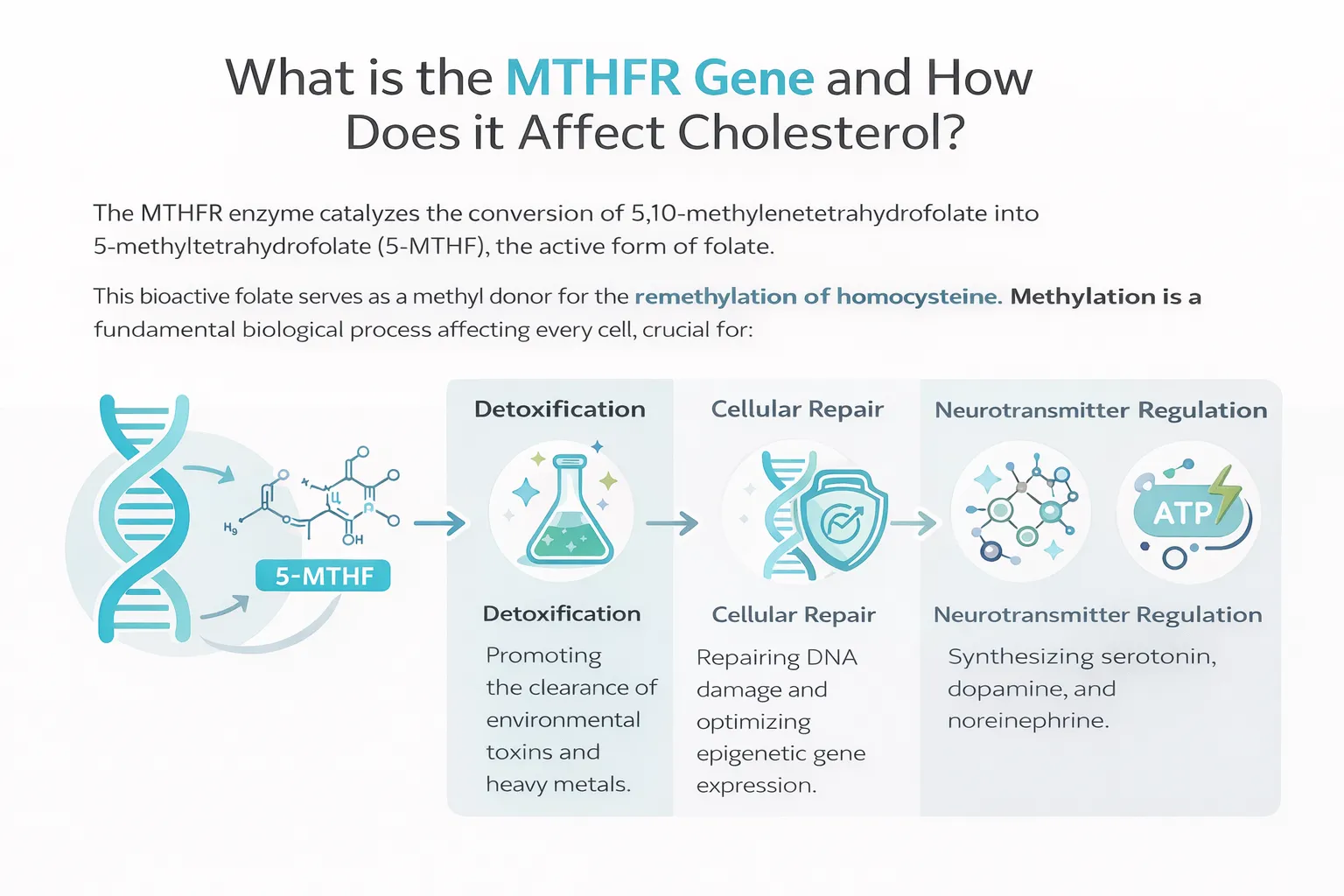
The MTHFR enzyme catalyzes the conversion of 5,10-methylenetetrahydrofolate into 5-methyltetrahydrofolate (5-MTHF), the active form of folate.
This bioactive folate serves as a methyl donor for the remethylation of homocysteine. Methylation is a fundamental biological process affecting every cell, crucial for:
Inefficiencies in this cycle can lead to systemic issues, including methylation cycle fatigue, where cellular energy production is compromised.
The primary clinical focus of MTHFR and heart health is the management of homocysteine levels. Common variants, such as C677T and A1298C, reduce enzymatic efficiency, potentially leading to hyperhomocysteinemia (HHcy).
While the College of American Pathologists (CAP) notes that some meta-analyses show a limited effect on coronary heart disease, integrative clinicians often observe that even moderate elevations contribute to vascular damage.
Exploring the synergy of the MTHFR gene and the cholesterol pathway reveals that homocysteine acts as an independent risk factor for atherosclerosis.
Elevated homocysteine harms the cardiovascular system via several pathways:
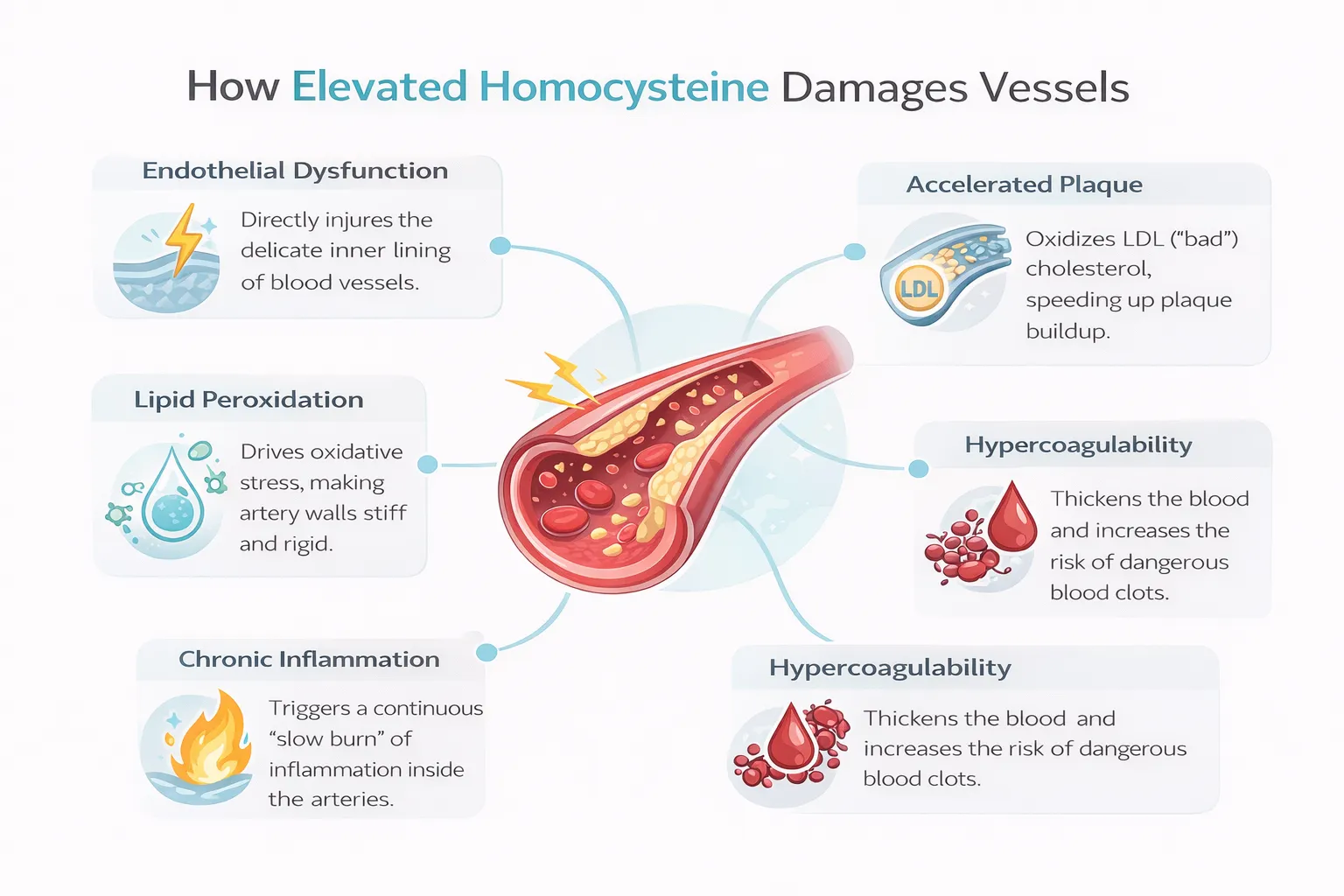
While standard guidelines often overlook the connection, looking deeper into how MTHFR affects your arteries explains why heart risks can persist:

To assess these specific pathways, a dedicated methylation panel offers targeted insights into enzymatic efficiency.
Fact Check: High homocysteine is considered by many integrative specialists to be as significant an independent risk factor for cardiovascular disease as smoking or hypertension.
Explore Specific Genetic Trait Profiles
Research shows that the MTHFR gene-heart disease link affects nearly 55% of the population through several specific biological mechanisms:
A comprehensive health DNA test can identify these variants alongside other cardiovascular risk markers.
Addressing the effects of MTHFR mutation on heart health involves targeted nutritional support and strategic lifestyle aspects to restore methylation efficiency and lower the SAM/SAH ratio.
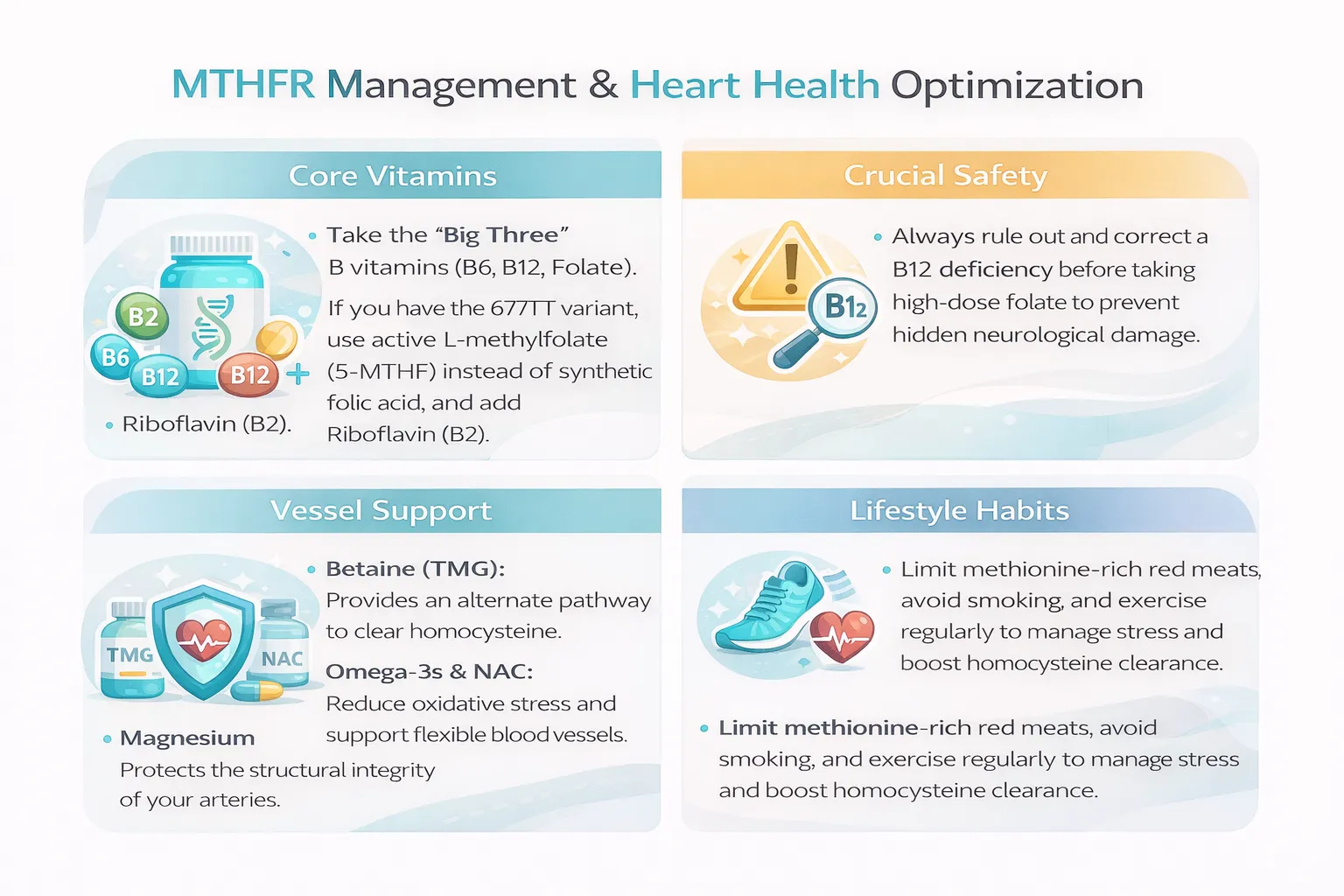
Treatment involves the “Big Three” B vitamins (Folate, B12, and B6). For those with the 677TT genotype, using L-methylfolate (5-MTHF) is critical, as synthetic folic acid cannot be efficiently processed.
Additionally, Riboflavin (B2) is a necessary cofactor for MTHFR activity and is specifically indicated for the 677TT variant.
Important Safety Note: The Critical First Step
Clinicians must rule out and correct a B12 deficiency before starting high-dose folate. Folate supplementation can “mask” the hematologic signs of B12 deficiency while allowing irreversible neurological damage to progress.
Note: High-dose betaine (up to 6g/day) is required for those with CBS (cystathionine beta-synthase) deficiency, but methionine levels must be monitored to avoid the risk of cerebral edema.
Patients should avoid methionine-rich red meats, quit smoking, and manage stress through exercise, which has been shown to improve homocysteine clearance.
Gaining a complete picture of cardiovascular risk often involves looking at comprehensive genetic insights that connect diet, fitness, and heart health markers.

While the medical community continues to debate the utility of routine genetic screening, understanding the MTHFR gene and cholesterol interaction provides a more comprehensive map of cardiovascular risk.
When it comes to heart health, it’s not just about your cholesterol numbers. Genes like MTHFR can influence how your body manages inflammation, homocysteine, and fat metabolism – all of which play a role in cardiovascular risk. The good news is that with the right nutrition and lifestyle support, you can positively influence these pathways and support long-term heart health.
Although genetic status is fixed, its phenotypic expression is largely controllable through targeted nutrition and lifestyle modifications. To explore other areas of health influenced by genetics, view the full list of available tests.