
You might notice that a medication works well for a friend but does not work for you. Side effects can also vary a lot between different people. This happens because of your DNA, and pharmacogenetic testing can explain why. This type of test looks at how your specific gene variants affect your response to certain drugs.
It helps you and your healthcare provider have a better conversation about your treatment. You can find the right medicine and the correct dose much faster.
Pharmacogenetic testing is a type of DNA test. It checks how your genes affect the way you react to medicine.
The CDC says this science helps doctors predict if a drug will be safe and helpful for you. It takes the guesswork out of your healthcare.
Using a medication response DNA test helps you understand how your body metabolizes medicine on a deeper level. It is a powerful tool for modern health.
When you swallow a pill, your body has to break it down. A family of liver enzymes called cytochrome P450 (CYP450) does most of this work, and your genes tell those enzymes how active to be.
A few examples make this concrete:
If your genes make your enzymes work too fast, the medicine might leave your body too quickly to help. If they work too slowly, the medicine could build up and become dangerous.
Some people are born with gene variants that make them sensitive to certain drugs. This increases the risk of bad reactions.
A drug response test can flag these risks before you even take the first dose. This is particularly relevant for antidepressants and other psychiatric medications — CYP2D6 and CYP2C19 variants are among the most common reasons people cycle through several antidepressants before finding one that works, since these two enzymes are involved in metabolizing a large share of commonly prescribed SSRIs and SNRIs.
DNA is important, but it is not the only thing that matters. Your age, weight, and what you eat also play a role in your health.
Doctors also look at other drugs you take and your family history, since taking multiple medications can itself change how enzymes behave (drug-drug interactions can mimic or mask a genetic effect). Knowing the benefits of DNA testing helps you see the whole picture of your wellness.
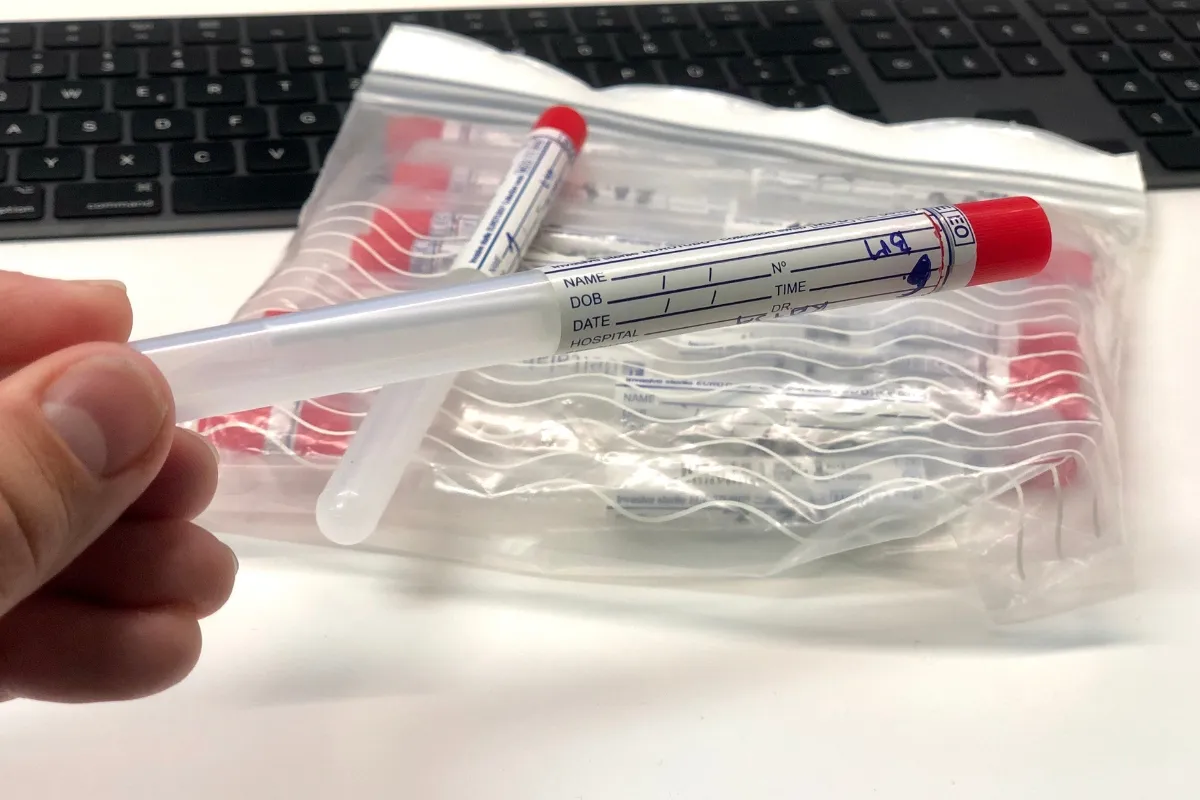
Getting started is very easy. You just use a simple at-home cheek swab to collect your sample.
There are no needles and no clinic visits required. You can do this from the comfort of your home in just a few minutes.
The lab looks at specific parts of your DNA. They focus on the genes that control how you process common medicines — genes like CYP2D6, CYP2C19, CYP2C9, VKORC1, and TPMT, among others, depending on the panel.
This includes everything from heart medications to pain relievers to psychiatric medications. If you are looking for a DNA test in Canada, you can get this done quickly.
You will get a clear report that explains your results. This report shows how your body might process different medications — typically categorizing you as a normal, poor, intermediate, rapid, or ultrarapid metabolizer for each gene tested, with a plain-language explanation of what that means.
This report is a tool for your healthcare team. You should never change your pills on your own.
Instead, bring the report to your doctor or pharmacist. The FDA maintains a table of pharmacogenomic associations for many common drugs, which your provider may reference alongside your results to decide which treatment is best for your specific body. Pharmacogenetic testing gives you another piece of the personalized health puzzle, helping you ask better questions, have more meaningful conversations with your healthcare providers, and take a more active role in your wellness journey.
A DNA medication test shows if a drug is likely to work for you at a standard dose. This helps you avoid wasting time on treatments that won’t help.
By knowing your risks early, you can avoid drugs that are more likely to cause problems for your specific metabolism — this is especially relevant for medications with a narrow safety margin, like certain blood thinners and pain medications.
Some people need more or less medicine than the standard dose. Your DNA can tell your doctor if you need a custom amount to stay safe and effective.
Many people have to try several drugs before finding one that works, particularly with antidepressants and pain management. This can be very frustrating and, in some cases, prolong suffering unnecessarily.
Using pharmacogenetic testing helps narrow down the list based on how your body is actually built to process these drugs.
It is important to be realistic about what these tests can do. They are very helpful, but they are not magic.
First, never stop or start a new drug by yourself based on a report. Only a doctor can safely change your prescriptions.
Second, these tests do not cover every single drug in the world. They focus on the drug-gene pairs with the strongest scientific evidence, like the ones CPIC has published formal guidelines for — many other drugs simply don’t have well-established gene associations yet.
Third, results describe your genetic predisposition, not a guarantee — factors like liver or kidney function, other medications, and even diet can shift how a drug actually behaves in your body on any given day.
Finally, a drug response test is not a diagnosis. It doesn’t tell you if you have a disease; it only tells you how you may react to medicine.
If you are starting a drug for your heart or mental health, get tested first. It helps you start on the right foot rather than discovering an issue after weeks of adjustment.
If your current medications make you feel awful, your DNA might be part of the reason. Testing can help identify whether a metabolism issue is at play, which can inform a conversation about alternatives with your doctor.
Survivors often take long-term medications like tamoxifen to reduce recurrence risk. Because tamoxifen is activated in the body partly via CYP2D6, and its effectiveness can vary meaningfully by metabolizer status, knowing your breast cancer survivor DNA profile is a smart move to discuss with your oncology team.
If you have a family history of conditions like cardiovascular disease or depression, testing now means the information is already on file when a new prescription becomes necessary.
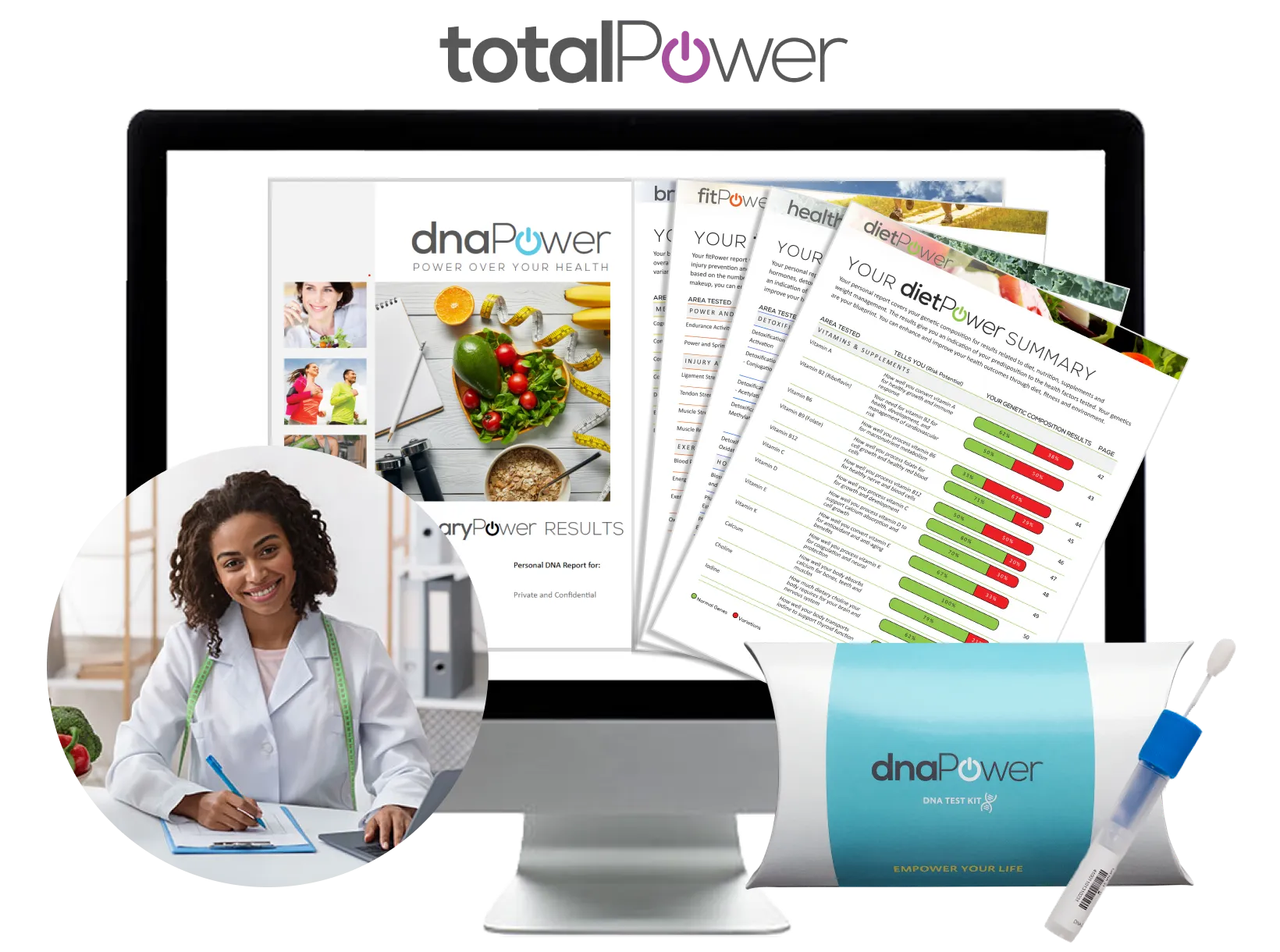
At dnaPower, we want to make healthcare personal. Our pharmaPower report is designed to give you and your doctor clear, actionable answers — not just a raw list of genetic data.
pharmaPower includes:
We have been helping people since 2008. We use top-tier labs, and we never sell your data to anyone else.
Your DNA is a roadmap for your health. Pharmacogenetic testing gives you a way to read that map.
You don’t have to guess which medicine will work for you. With pharmaPower, you can have a smarter conversation with your health team.
Take the first step toward personalized care today. Your body will thank you for it.
Is it the same as a regular DNA test?
It is a type of DNA test, but it only looks at how you react to drugs. It is much more specific than a test that looks at your ancestry.
Can I change my dose after the test?
No. You must talk to your doctor first. They will use the test along with your medical history to make the right choice.
Which genes get tested most often?
Panels vary by lab, but CYP2D6, CYP2C19, CYP2C9, VKORC1, and TPMT are among the most commonly tested genes because they have the strongest published evidence connecting them to specific drugs, per CPIC guidelines.
Does it help with food allergies?
No, this test is for medications. If you want to know about food, you should look at all our health products to find a diet-focused test.