When you choose a gut test, you might focus on the price or the box. But the most important part is the technology the lab uses to read your DNA. Understanding 16S vs shotgun metagenomic sequencing tells you how much detail you will actually get. One method gives you a tiny peek, while the other gives you the whole story of your gut.
This guide explains both methods in simple language. We will compare their strengths so you can see why the method behind your test matters more than you think.
Microbiome sequencing is the process of reading the genetic material in your sample. It identifies which microorganisms are living in your gut and how many there are.
All gut microbiome sequencing methods read DNA, but they do it differently. Some read only a small part, while others read the entire genome.
The two main approaches are the 16S microbiome test and shotgun metagenomic sequencing. These two methods are not the same and provide very different results for your health.
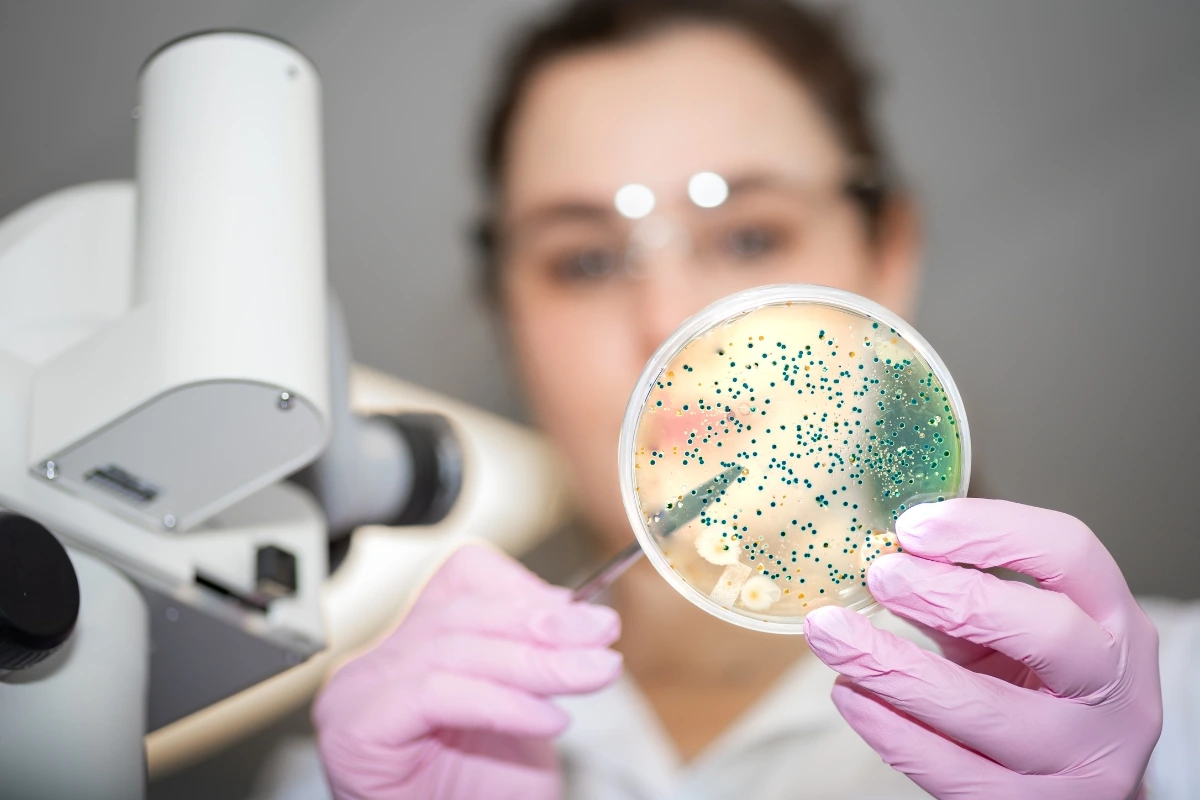
A 16S microbiome test looks at a specific genetic marker found in bacteria called the 16S rRNA gene. This gene acts like a “bacterial barcode” because different types of bacteria have unique versions of it.
Scientists use 16S sequencing to analyze this gene and identify the types of bacteria present in a sample, such as those found in the gut. The process involves making many copies of a targeted region of the 16S gene so researchers can compare the results against known bacterial databases
16S sequencing is a widely used and cost-effective way to get a broad overview of the bacterial community in the gut. It can help identify many bacterial groups, estimate their relative abundance, and measure overall bacterial diversity, giving insight into the general makeup of your microbiome.
While 16S sequencing is useful, it has limitations. Because it focuses on a single bacterial marker, it often cannot provide detailed information about specific bacterial strains or their individual functions.
The 16S method also only looks at bacteria. It does not capture other parts of the microbiome, such as fungi, viruses, or parasites. In simple terms, 16S can help show who is present, but it does not fully reveal what they are doing or how they may be influencing your health.
Shotgun metagenomic sequencing takes a much broader approach to microbiome testing. Instead of looking at just one genetic marker, it sequences the DNA found throughout your sample, creating a more complete picture of the microbial community.
The name “shotgun” comes from the way DNA is broken into millions of smaller fragments and analyzed all at once. These fragments are then matched against databases to identify the organisms present and understand their genetic potential.
Unlike 16S sequencing, shotgun metagenomics provides a deeper view of the microbiome. It is considered one of the most advanced approaches currently used for microbiome analysis.
Studies published in BMC Genomics show that shotgun sequencing provides a much more detailed snapshot. It is the preferred method for anyone who wants a deep analysis of their stool sample.
Studies comparing 16S and shotgun sequencing have found that shotgun metagenomics provides a more detailed view of the microbiome, including information about specific microbes and their potential functions.
| Feature | 16S Sequencing | Shotgun Metagenomics |
| What it sequences | One specific gene (16S rRNA) | All the DNA in the sample |
| Microbes detected | Bacteria only | Bacteria, fungi, viruses, parasites |
| Taxonomic resolution | Genus-level (mostly) | Species and strain level |
| Functional data | Approximate / inferred | Directly observed |
| Amplification bias | Yes | Minimal |
| Report depth | Basic to moderate | Comprehensive |
The difference between these two methods affects the quality of the advice you get. A 16S microbiome test might tell you that a certain group of bacteria is there, but not much else.
It cannot tell you if fungi are causing your bloating or if your gut is producing enough vitamins. This lack of detail makes it harder to create a truly personal health plan.
A shotgun microbiome test gives your report a much richer dataset. This allows for better food recommendations and supplement guidance based on how your gut actually functions.
For example, your report may highlight how your gut microbiome processes carbohydrates, including lactose that is not fully digested earlier in the digestive tract. These insights can help you understand how your gut environment may influence your response to certain foods, including dairy.
The comparison between 16S and shotgun metagenomic sequencing is often framed in terms of depth and detail for personal health insights. While 16S is useful for large research studies and broad microbial profiling, it may be more limited when a deeper, more functional view of the microbiome is needed.
If you want to better understand how your gut ecosystem relates to digestion and metabolic function, additional depth can be valuable. Shotgun metagenomics provides more detailed information that can help explore microbial functions and pathways involved in digestion and other biological processes, including those related to inflammation.
When you use dnaPower, you are getting technology that looks at a broader picture of your microbiome. This can be more informative than simply measuring the relative abundance of bacterial groups, especially when the goal is functional insight rather than basic classification.
The MapmyBiome Test Kit uses shotgun metagenomic sequencing to analyze your stool sample. This test goes far beyond basic bacteria to include fungi and viruses.
The resulting report covers microbial diversity across all types of organisms. It also provides insights into how your gut produces nutrients and handles inflammation.
This deep look helps you understand gut health and chronic illness risks. You will also receive a 45-minute review with a practitioner to explain your results.
This approach ensures you get the most out of your metagenomic stool test. A complete picture leads to much more targeted recommendations for your lifestyle.
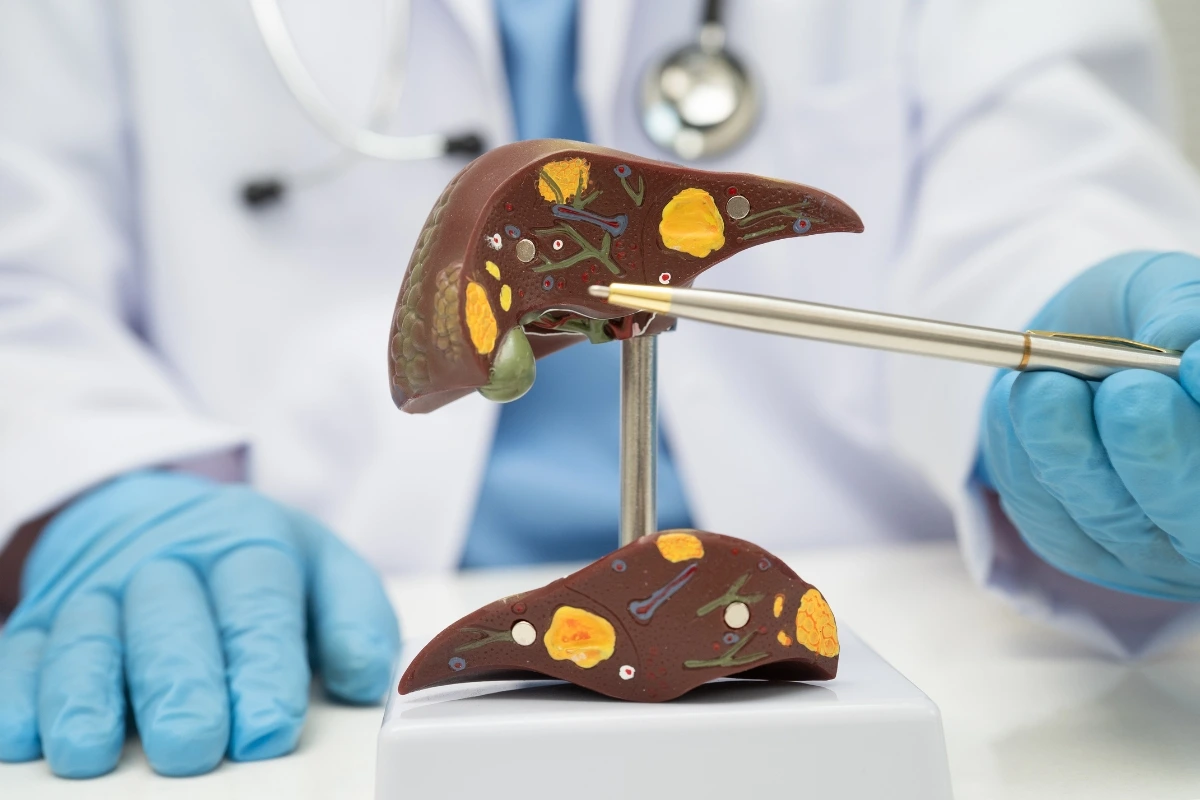
Understanding 16S vs shotgun metagenomic sequencing is vital before you spend money on a test. The method determines how specific your recommendations will be.
Don’t settle for a basic overview when you can have a complete map of your gut. Shotgun sequencing gives you the real-world value you need to improve your health.
If you want to see all our health tests, visit our website. Take the first step toward a healthier gut today.
Is 16S sequencing a bad test?
It is not a bad test, but it is limited. It is best for research where you only need to look at bacteria in a general way.
Can a shotgun test identify specific strains of bacteria?
Yes. Research confirms that shotgun metagenomic sequencing allows for strain-level detection. This is much more precise than the genus-level results of 16S.
Does the sequencing method affect my food recommendations?
Yes, it does. To get accurate food tips, you need to know what your microbes are actually doing. Only shotgun sequencing provides that functional data.
How do I know which method a test uses?
A good provider will always state which technology they use. If they don’t mention it, you should ask before you buy.
Can this help with food sensitivities?
MapmyBiome can provide insights into your gut microbiome, which may help you better understand how your digestive system responds to different foods. While it does not diagnose food sensitivities, it can offer clues about how your gut environment processes nutrients and carbohydrates, including dairy components that reach the colon.
For a more complete picture, some people also choose to combine microbiome insights with other tools, such as a lactose intolerance DNA test in Canada, which looks at genetic factors involved in lactose digestion.