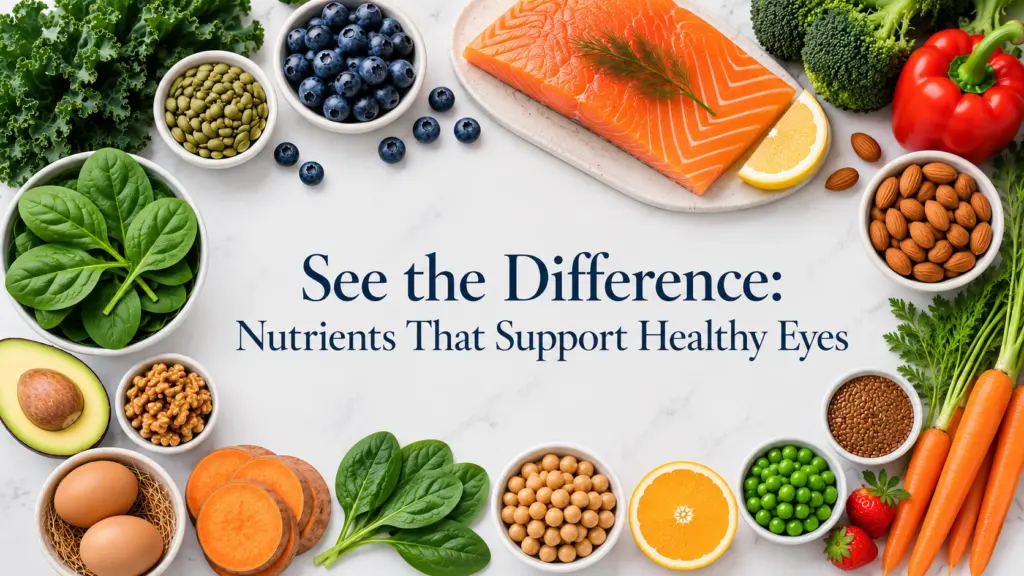
Our eyes work hard every day. Whether we are reading, driving, working on the computer or enjoying time outdoors, they rely on a constant supply of nutrients to perform at their best.
While regular eye exams and UV protection are important, nutrition is another key factor in maintaining healthy vision. Vitamins, minerals, healthy fats, and antioxidants all help support the complex structures within the eye and protect them from everyday wear and tear.
Research also shows that our genes may influence how efficiently we process some of these nutrients. By combining healthy eating with personalized genetic insights, we can make more informed decisions about supporting our long-term eye health.
The retina is one of the most metabolically active tissues in the body. Every second, it converts light into signals that are sent to the brain, allowing us to see the world around us.
This process requires a continuous supply of nutrients while also generating free radicals that can contribute to oxidative stress over time.
A diet rich in eye-supporting nutrients helps support:
Lutein and zeaxanthin are carotenoids that accumulate in the macula, which is the part of the retina responsible for sharp central vision.
These powerful antioxidants act as protection for the eyes by helping filter blue light while protecting retinal cells from oxidative stress.
Good Food Sources
Because your body cannot produce lutein or zeaxanthin, they must come from your diet. Aim to include a wide variety of leafy greens and colourful vegetables regularly to help support long-term eye health.
Vitamin A plays a vital role in healthy vision by helping produce rhodopsin, the light-sensitive pigment in the retina that allows your eyes to adapt to low-light conditions. It also helps maintain the health of the cornea, the eye’s clear outer surface.
Beta-carotene, found in many orange and dark green vegetables, is converted into vitamin A by the body, providing an important dietary source of this essential nutrient. Not everyone converts beta-carotene into active vitamin A with the same efficiency, and genetics may play a role.
Good Food Sources
Omega-3 fatty acids—particularly DHA—are important structural components of the retina. They help maintain healthy retinal cells, support tear production, and contribute to a balanced inflammatory response.
Good Food Sources
Our eyes are constantly exposed to sunlight and oxygen, making antioxidant protection especially important.
Vitamin C and vitamin E help neutralize free radicals that can damage healthy eye tissue.
Vitamin C Sources
Vitamin E Sources
Zinc is highly concentrated in the retina and plays an important role in transporting vitamin A, supporting retinal function, and protecting eye tissues from oxidative stress.
Because the body doesn’t store large amounts of zinc, it is important to consume zinc-rich foods regularly.
Good Food Sources
While everyone benefits from eating nutrient-rich foods, genetics can influence how efficiently the body processes and utilizes certain nutrients.
The totalPower DNA Test Kit analyzes genes involved in nutrient metabolism, providing personalized insights into nutrients that support eye health—including Vitamin A, omega-3 fatty acids and zinc.
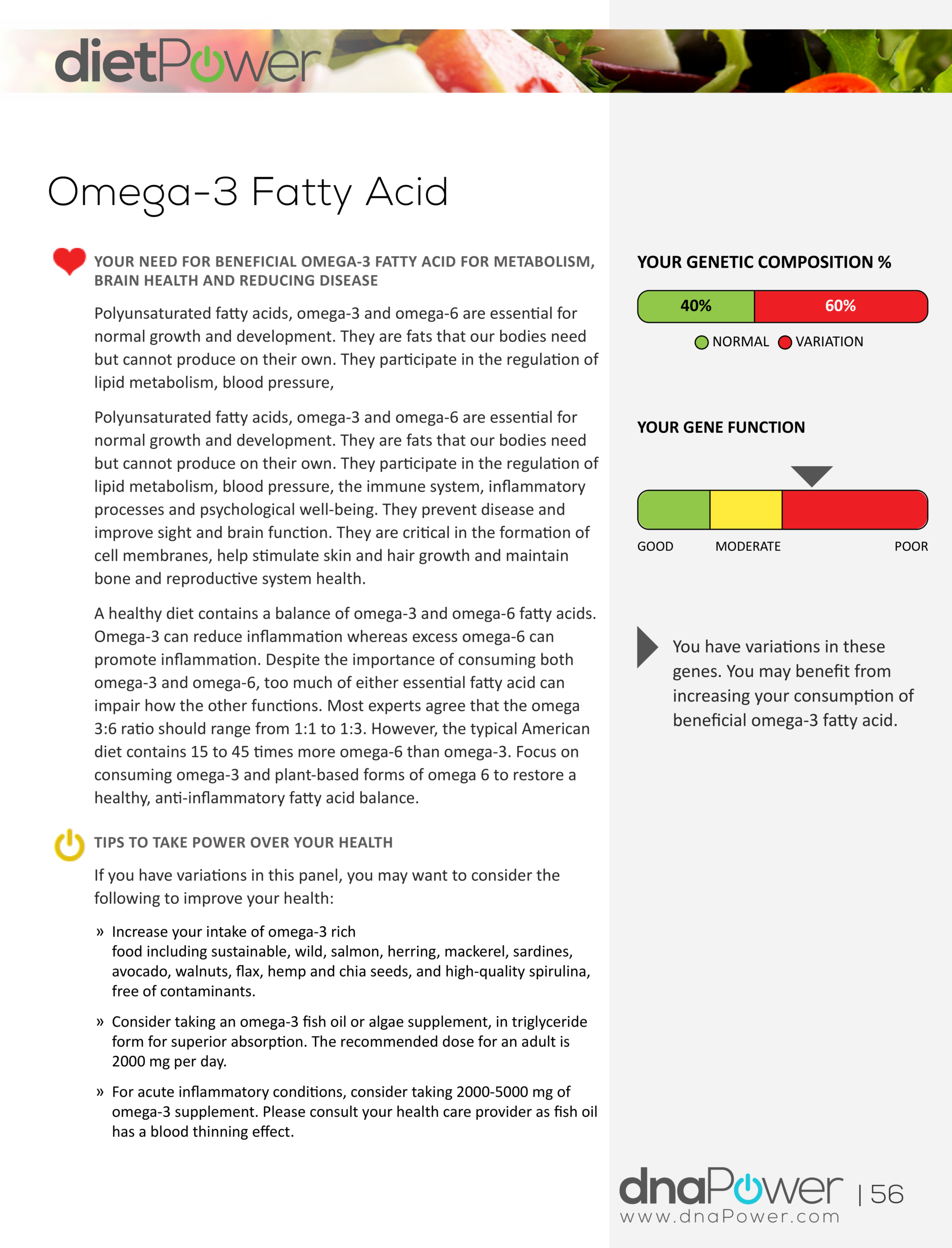
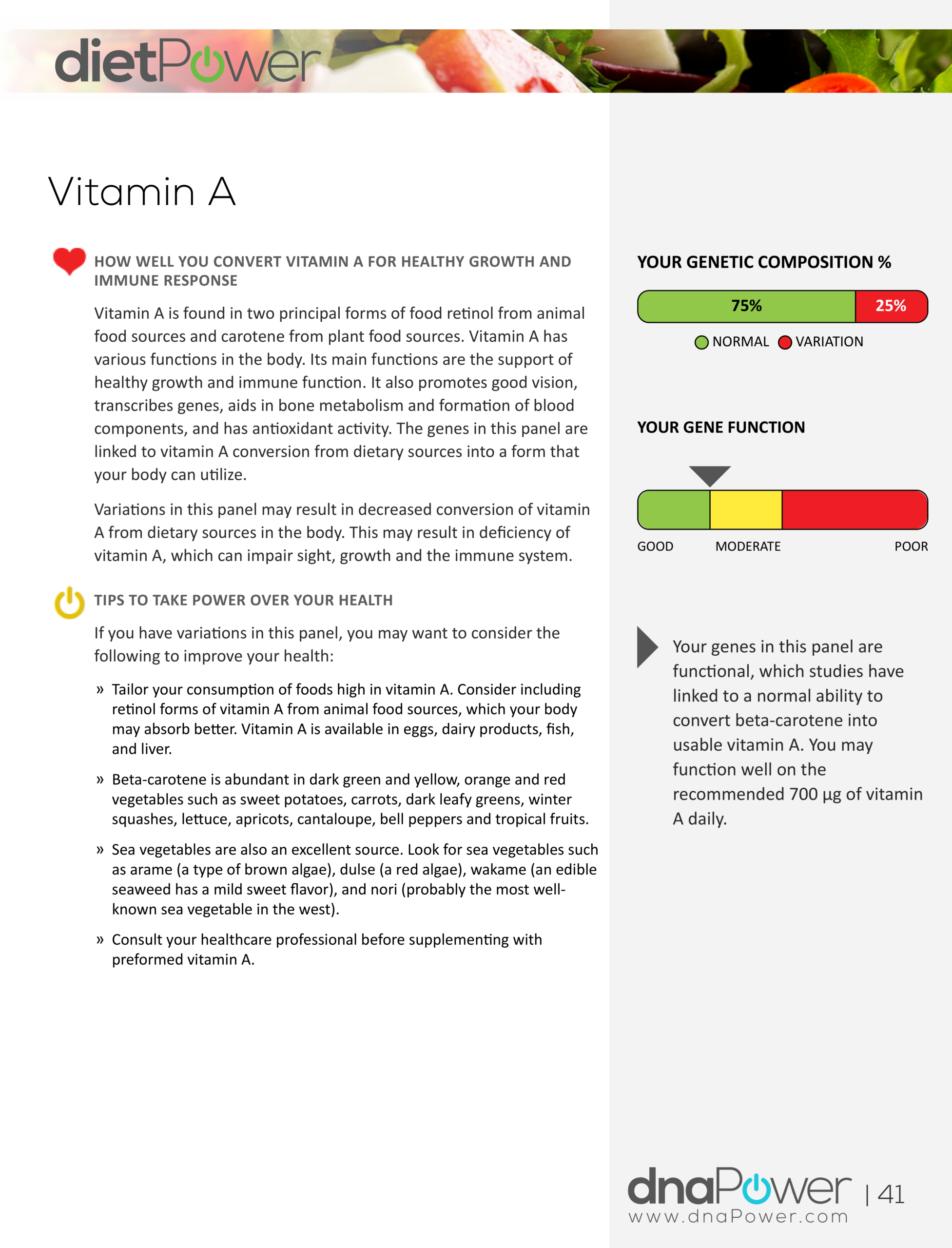
Your genes can influence how efficiently your body absorbs, transports, and utilizes key nutrients that support healthy vision.
Vitamin A
Vitamin A is essential for healthy vision, particularly in low-light conditions. totalPower analyzes genes involved in vitamin A metabolism, including BCMO1, which helps convert beta-carotene from plant foods into active vitamin A. Variations in this gene may influence how efficiently your body utilizes this important nutrient.
Omega-3 Fatty Acids
Several genes help regulate how your body processes omega-3 fatty acids:
Vitamin C, Vitamin E and Antioxidant Protection
Vitamin C and vitamin E are powerful antioxidants that help protect the eyes from oxidative stress caused by sunlight, environmental exposures, and normal metabolism. The totalPower DNA Test Kit analyzes genes involved in vitamin C transport, antioxidant protection, and biological pathways that may influence your response to these important nutrients.
Zinc
Zinc plays an important role in retinal health and antioxidant protection. totalPower analyzes genes including:
🧬 Understanding your genetic profile doesn’t predict your future health, but it can provide valuable insights into how your body processes important nutrients. Combined with a healthy diet and guidance from your healthcare practitioner, these personalized insights can help support lifelong eye health.
Healthy vision depends on many factors, including nutrition, lifestyle, regular eye care, and genetics.
Eating a balanced diet rich in lutein, zeaxanthin, vitamin A, omega-3 fatty acids, vitamins C and E, and zinc provides the nutrients your eyes need to function at their best.
Adding personalized genetic insights through the totalPower DNA Test Kit can provide another layer of understanding—helping identify how your body processes key nutrients so you can make more informed decisions about your health.
What nutrients are most important for eye health?
Lutein, zeaxanthin, vitamin A, omega-3 fatty acids, vitamins C and E, and zinc all play important roles in supporting healthy vision and protecting eye tissues.
Can genetics affect eye health?
Yes. Genetics can influence how your body processes nutrients involved in eye health, such as omega-3 fatty acids and zinc. DNA testing provides personalized insights that can help guide nutrition and lifestyle decisions.
Can a DNA test predict eye disease?
No. DNA testing does not diagnose or predict eye disease. Instead, it identifies genetic variations that may influence nutrient metabolism and biological pathways, allowing for more personalized nutrition recommendations.
What foods are best for healthy eyes?
Aim to eat a variety of colourful vegetables, leafy greens, fatty fish, nuts, seeds, legumes, eggs, and whole grains to provide the vitamins, minerals, healthy fats, and antioxidants that support eye health.