

When most people think about fibre, they think about digestion. But one type of fibre does something even more remarkable—it feeds the beneficial bacteria living in your gut.
This special type of carbohydrate is called resistant starch. Instead of being digested in the small intestine, it travels to the large intestine where it becomes food for your gut microbiome. As your gut bacteria ferment resistant starch, they produce beneficial compounds called short-chain fatty acids (SCFAs), including butyrate, which help support digestive health, metabolism, immune function and overall wellbeing.
The good news? Resistant starch is easy to include in your everyday diet.
Resistant starch is a carbohydrate that “resists” digestion. Rather than being absorbed for energy like most starches, it reaches the colon where it nourishes beneficial gut bacteria.
During fermentation, these bacteria produce important SCFAs, including:
Instead of feeding you directly, resistant starch feeds the beneficial bacteria that support your health.
Research suggests resistant starch may help:
While no single food is a magic solution, regularly including resistant starch-rich foods can be one simple way to support long-term gut health.
As your gut bacteria ferment resistant starch, they produce beneficial compounds known as postbiotics, including butyrate, acetate and propionate.
These compounds help support the gut lining, immune function and metabolism.
Want to learn more? Read our article “What Are Postbiotics? Understanding Butyrate and Your Gut Microbiome” to learn how these beneficial compounds are produced and why they’re becoming one of the most exciting areas of gut health research.
Adding resistant starch to your diet doesn’t have to be complicated.
Great sources include:
One interesting fact is that cooling potatoes or rice after cooking increases their resistant starch content through a process called retrogradation.
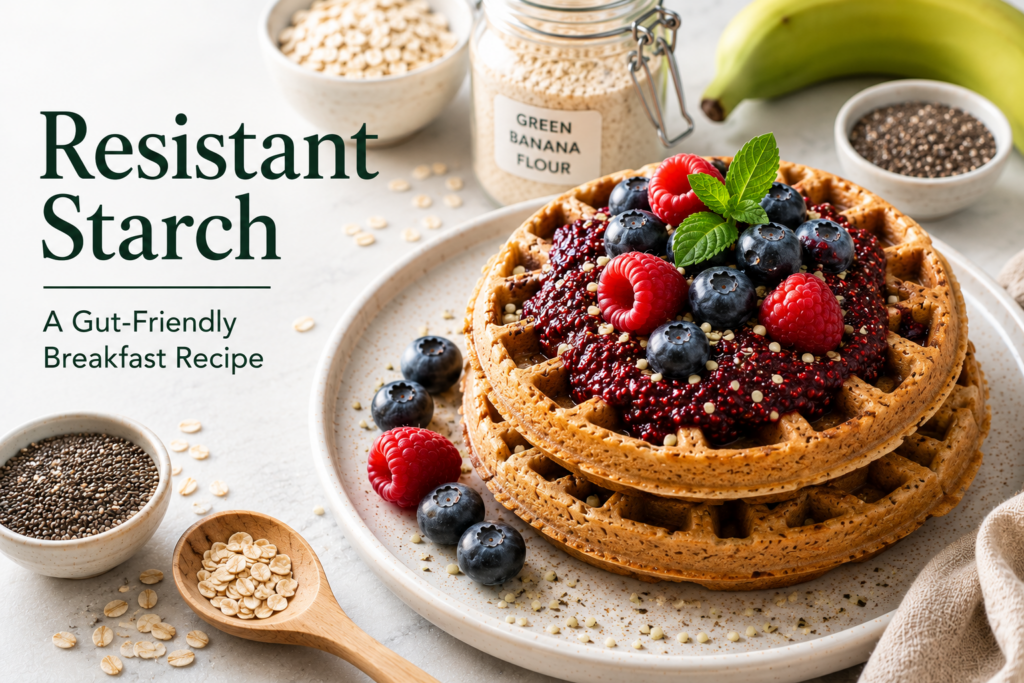
Green banana flour is made from unripe bananas before much of the starch has converted into natural sugar, making it naturally rich in resistant starch.
It’s also:
For most recipes, replace about 20–25% of the flour with green banana flour rather than substituting it completely.
Heat the berries until softened, mash lightly, stir in the chia seeds and lemon juice, then allow the mixture to cool and thicken for about 20 minutes.
Try:
Small, consistent changes often make the biggest difference.
Everyone’s gut microbiome is unique, which means people don’t always respond to the same foods in the same way.
Comprehensive gut microbiome testing can provide insights into:
Tests such as MapmyBiome can provide insights into the abundance of beneficial bacteria involved in short-chain fatty acid production, helping you and your healthcare practitioner personalize nutrition and lifestyle recommendations based on your unique gut microbiome.
Resistant starch is much more than another nutrition trend.
By feeding the beneficial bacteria in your gut, it supports the production of important compounds like butyrate that contribute to digestive health, metabolism and overall wellbeing.
Simple foods such as green banana flour, oats, legumes, beans and cooked-and-cooled potatoes can help nourish your gut microbiome and are easy additions to everyday meals.
For even more ways to support your gut health, be sure to read our related articles:
Together, these articles will help you better understand how nutrition and your gut microbiome work together to support long-term health.
It behaves much like dietary fibre because it resists digestion and is fermented by beneficial gut bacteria.
Yes. Green banana flour is naturally gluten-free and works well in many baking recipes.
Research suggests resistant starch may help support healthy blood sugar and insulin sensitivity when included as part of a balanced eating pattern.
Yes. Cooling foods such as potatoes and rice after cooking increases their resistant starch content.

totalPower
CAD $499
This content is intended for educational and informational purposes only. While we strive to provide accurate, science-based insights, we are not medical professionals, and this article is not a substitute for personalized medical advice. Always consult your healthcare provider regarding questions about your health.
Dr. Lois Nahirney founded dnaPower after a personal family health journey. She is dedicated to making the science of genetics simple and actionable. Her mission is to empower everyone with the knowledge to control their well-being.
Get weekly updates on the newest DNA stories, case studies and tips right in your mailbox.