

Quick Answer: A 2020 peer-reviewed study found that a ketogenic diet produced faster initial weight loss (over 24 weeks), but a personalized, DNA-informed low-glycemic diet produced significantly better weight loss and cardiometabolic markers at an 18-month follow-up — largely because it was easier for people to stick with long-term. Neither diet is universally “better”; the real difference the study found was in long-term adherence.
In the past several years, wellness influencers and biohacking podcasters have popularized the high-fat, low-carb ketogenic (or keto) diet as an effective way to lose weight and improve metabolic health markers.
The keto diet involves eating a very low-carb, high-fat diet to trigger the body into a state of ketosis, where it becomes efficient at burning fat for fuel instead of relying on glucose from carbohydrates.
Many people who try keto report early weight loss success. However, sustaining a low-carb, high-fat diet long-term can be difficult, and some people report side effects from staying on it, including mood fluctuations, fat accumulation in the liver, and symptoms of micronutrient deficiency.
A 2020 study published in BMC Nutrition followed 114 overweight and obese adults at a weight loss clinic. Participants self-selected either a standard ketogenic diet or a personalized low-glycemic-index diet informed by 28 genetic variants (SNPs). The study ran in two stages: a 24-week dietary intervention, followed by an 18-month follow-up period.
The results:
In other words: keto won the short sprint, but the personalized approach won the marathon — largely because it was easier to sustain over 18 months. This is a single study with self-selected (not randomized) groups, so it’s evidence, not proof — but it’s a well-designed, peer-reviewed comparison worth taking seriously.
Worth knowing: one of the study’s co-authors was, at the time, an employee of a commercial DNA-diet company. That doesn’t invalidate the results — the study is peer-reviewed and the methodology is transparent — but it’s fair context, especially since we’re citing it here to talk about our own personalized diet products.
The core lesson from this research isn’t “DNA diets are magic” — it’s that restrictive diets are hard to sustain, and the diet you can actually stick to usually outperforms the “theoretically optimal” one you abandon after a few months.
A DNA-informed approach doesn’t ask you to overhaul your entire eating pattern. It typically identifies smaller, targeted adjustments — how you handle carbohydrates, which fats you metabolize efficiently, which foods you may be more sensitive to — that fit into how you already eat, rather than replacing it wholesale.
To further illustrate the weight loss successes we have witnessed from customers who made small adjustments to their diet and lifestyle based on their DNA, let us share Sarah and Erica’s story.
Sarah is a 31-year old female who has struggled with yo-yo dieting and the effects of cyclical weight gain and weight loss at a young age. She has a small to medium build and has tried every diet under the sun to lose weight and stay fit – from fat-fueled keto diets to protein-packed paleo diets to plant-based vegan diets. Finding a diet that supports healthy weight maintenance has been difficult for Sarah. In her mid 20’s, Sarah experienced a period of unexplained weight gain, which was related to hormonal imbalances. She’s frustrated with not knowing what diet works best for her and is seeking guidance on how to eat and live to maintain a healthy weight while supporting her hormones proactively.
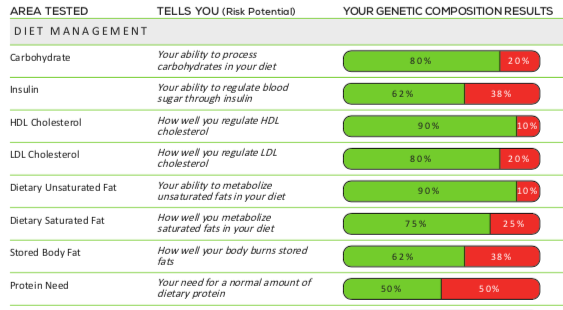
Sarah’s genes related to diet and nutrition (from the dietPower DNA Test Kit)
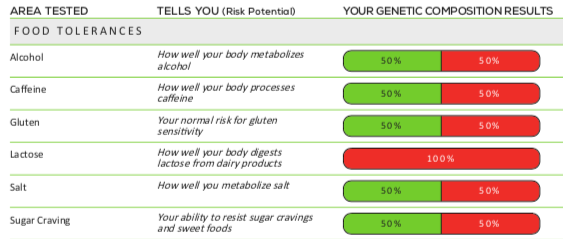

Sarah’s genes related to fitness (from the fitPower DNA Test Kit)

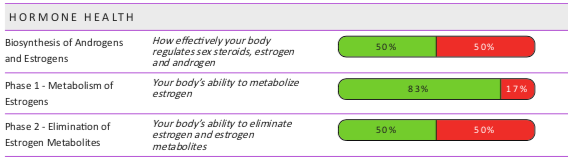
Sarah’s genes related to hormone health (from the healthPower DNA Test Kit)
Changes Sarah made to her diet and fitness plan:
Results for Sarah from eating a DNA-based diet:
Sarah has never felt better about her physical and mental wellness without the stress caused by her yo-yo dieting habits. With the confidence of knowing exactly how she should be eating and exercising for her body, she can now focus on making individualized yet straightforward guidelines to maintain a healthy weight and balanced hormones.
Erica is a 53-year-old female who is overweight and has Type 2 Diabetes. She has struggled to lose and keep weight off all her life. Erica has had many failed attempts with traditional calorie-based diet programs, gym memberships and national weight-loss chains. She achieved temporary weight loss only to gain even more weight back eventually. Erica has knee problems that affect her ability to exercise and is always tired. She feels worried and discouraged at the increasing weight and health challenges she is facing.
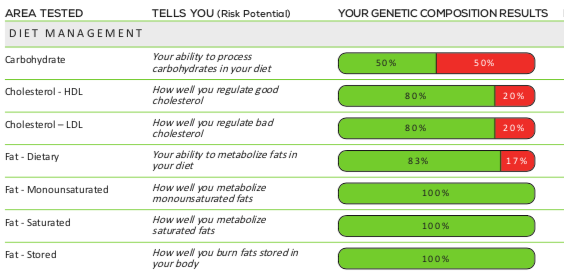
Erica’s genes related to diet and nutrition (from the dietPower DNA Test Kit)


Erica’s genes related to fitness (from the fitPower DNA Test Kit)

Changes Erica made to her diet and fitness plan:
Erica was raised in an era where she was taught fats were terrible and had focused on eating low-fat foods much of her life to manage her weight. Erica realized she had avoided foods that her body was genetically well designed for.
Results for Erica from eating a DNA-based diet:
Within a few weeks of eating the right foods and starting an exercise program based on her DNA profile, Erica’s weight began to fall off. An initial weight loss of 40 pounds plus four dress sizes in 3 months.
A sustainable weight-loss approach needs to be one you can actually maintain. When a diet — keto or otherwise — deviates sharply from how you already eat and live, adherence tends to drop over time, and the research bears this out.
Personalized nutrition doesn’t promise faster results than any other approach. What the evidence suggests it offers is better long-term adherence, which, over 18 months, mattered more than which diet produced faster initial results.
Wondering what changes might fit your genetics? Learn more here.
Is a DNA diet scientifically proven to work better than keto?
One peer-reviewed study found better 18-month outcomes with a personalized, DNA-informed diet compared to keto — but it’s one study with a self-selected (not randomized) design. It’s meaningful evidence, not definitive proof for everyone.
Why did the keto group do better at first but worse later?
Keto often produces fast initial weight loss because it’s highly restrictive, but that same restrictiveness makes it hard to sustain. The study found the keto group regained weight after 18 months as adherence dropped, while the personalized diet group continued to lose weight.
How much weight loss per week is considered safe?
Most health guidelines recommend a pace of roughly 1–2 pounds per week for sustainable, healthy weight loss. Faster loss can happen for individual reasons, but it isn’t the general benchmark to aim for.
This content is intended for educational and informational purposes only. While we strive to provide accurate, science-based insights, we are not medical professionals, and this article is not a substitute for personalized medical advice. Always consult your healthcare provider regarding questions about your health.
Author: Dr. Lois Nahirney founded dnaPower after a personal family health journey. She is dedicated to making the science of genetics simple and actionable. Her mission is to empower everyone with the knowledge to control their well-being.The keto diet involves eating a very low-carb, high-fat diet to trigger the body to go into a state of ketosis. When this happens, the body becomes incredibly efficient at burning fat for fuel instead of glucose derived from carbohydrates.